What Makes a Pregnancy High-Risk? 7 Key Questions Answered

6 mins to read
Geetam Bharthi | 28 Oct 2026
What Makes a Pregnancy High-Risk? 7 Key Questions Answered
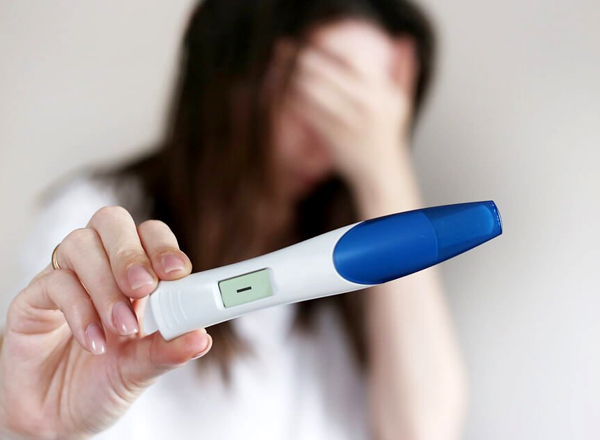
Discovering you are pregnant brings immense joy, anticipation, and a natural desire to ensure everything goes smoothly. However, during early consultations, some women hear the term "high-risk pregnancy." Hearing this classification can naturally cause worry or anxiety, but understanding what it truly means is the first step toward a safe, confident pregnancy journey.
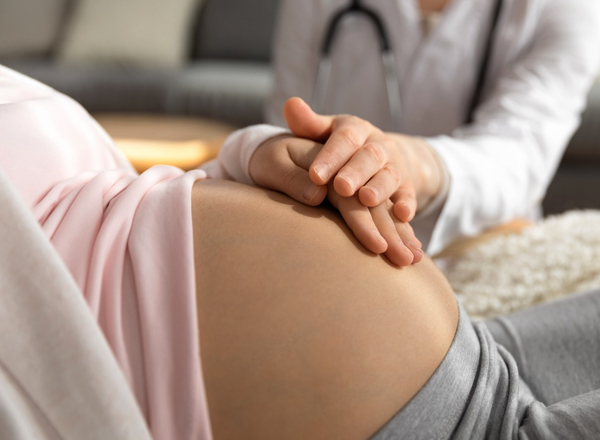
At Matritva Hospital in Patna, lead consultant obstetrician and gynaecologist Dr. Geetam Bharti (Ex-IGIMS Patna, Ex-Kurji Holy Family Hospital) emphasizes that a high-risk pregnancy label does not mean a bad outcome. Instead, it simply means that mother and baby require additional medical monitoring, specialized diagnostics, and precise management protocols.
Below are thorough, expert-backed answers to the 7 most common questions expectant mothers ask about high-risk pregnancies.
1. What Exactly Defines a "High-Risk" Pregnancy?
A pregnancy is classified as high-risk when medical factors, maternal health conditions, or pregnancy-related complications increase the chance of health issues for the mother, the developing baby, or both.
Medical conditions that trigger a high-risk classification fall into three main categories:
1. Pre-Existing Conditions
Chronic health issues present before conception, such as chronic hypertension, type 1 or type 2 diabetes, thyroid disorders, kidney diseases, or autoimmune conditions.
2. Pregnancy-Induced Conditions
Medical issues that develop specifically during gestation, such as gestational diabetes, preeclampsia, placenta previa, or fetal growth restriction (FGR).
3. Maternal & Structural Factors
Factors including maternal age (under 18 or over 35), carrying twins or higher-order multiples, a history of recurrent miscarriages, or previous surgical delivery complications.
2. How Does Gestational Diabetes Impact Pregnancy, and How Is It Managed?
Gestational Diabetes Mellitus (GDM) is a condition where placenta-produced hormones block insulin effectiveness, causing elevated blood sugar levels during pregnancy. It frequently develops in the second or third trimester.
Potential Risks of Unmanaged GDM:
- Macrosomia: The baby absorbs excess glucose, leading to above-average birth weight, which increases the likelihood of complicated labor or requiring a C-section.
- Neonatal Hypoglycemia: Low blood sugar levels in the baby shortly after birth.
- Increased Risk of Preeclampsia: Higher likelihood of developing elevated blood pressure.
How We Manage GDM at Matritva Hospital:
Under the supervision of Dr. Geetam Bharti, GDM management begins with precise screening via oral glucose tolerance tests (OGTT). Treatment focuses on:
3. What Are High Blood Pressure and Preeclampsia in Pregnancy?
High blood pressure during pregnancy is generally classified into chronic hypertension (present before 20 weeks) or gestational hypertension (developing after 20 weeks). When high blood pressure is accompanied by signs of organ stress—such as protein in the urine—it is diagnosed as preeclampsia.
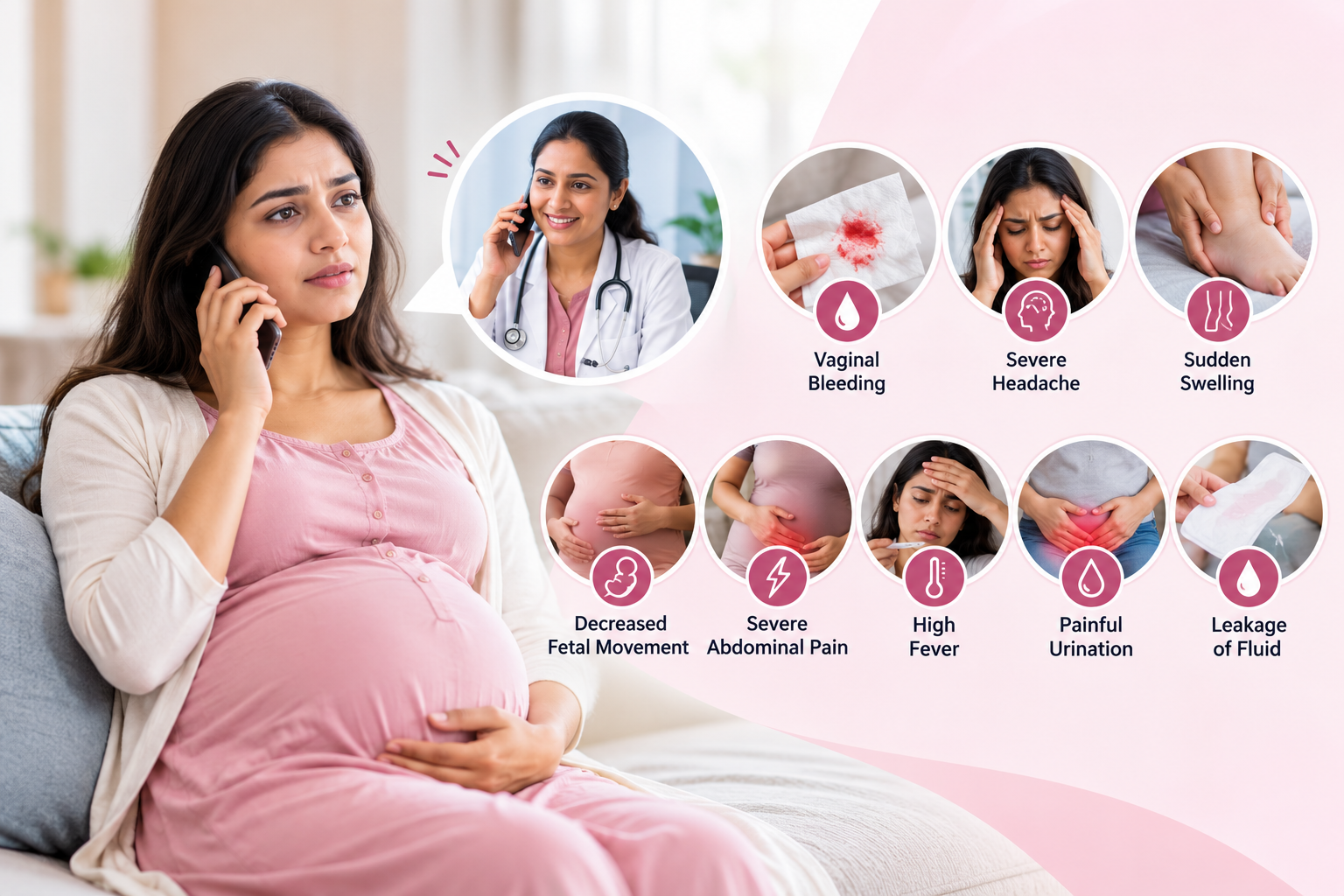
Warning Signs You Should Never Ignore:
If you experience sudden swelling in your face or hands, severe upper abdominal pain (under the right ribs), persistent headaches, or visual disturbances (flashing lights or spotty vision), consult your obstetrician immediately.
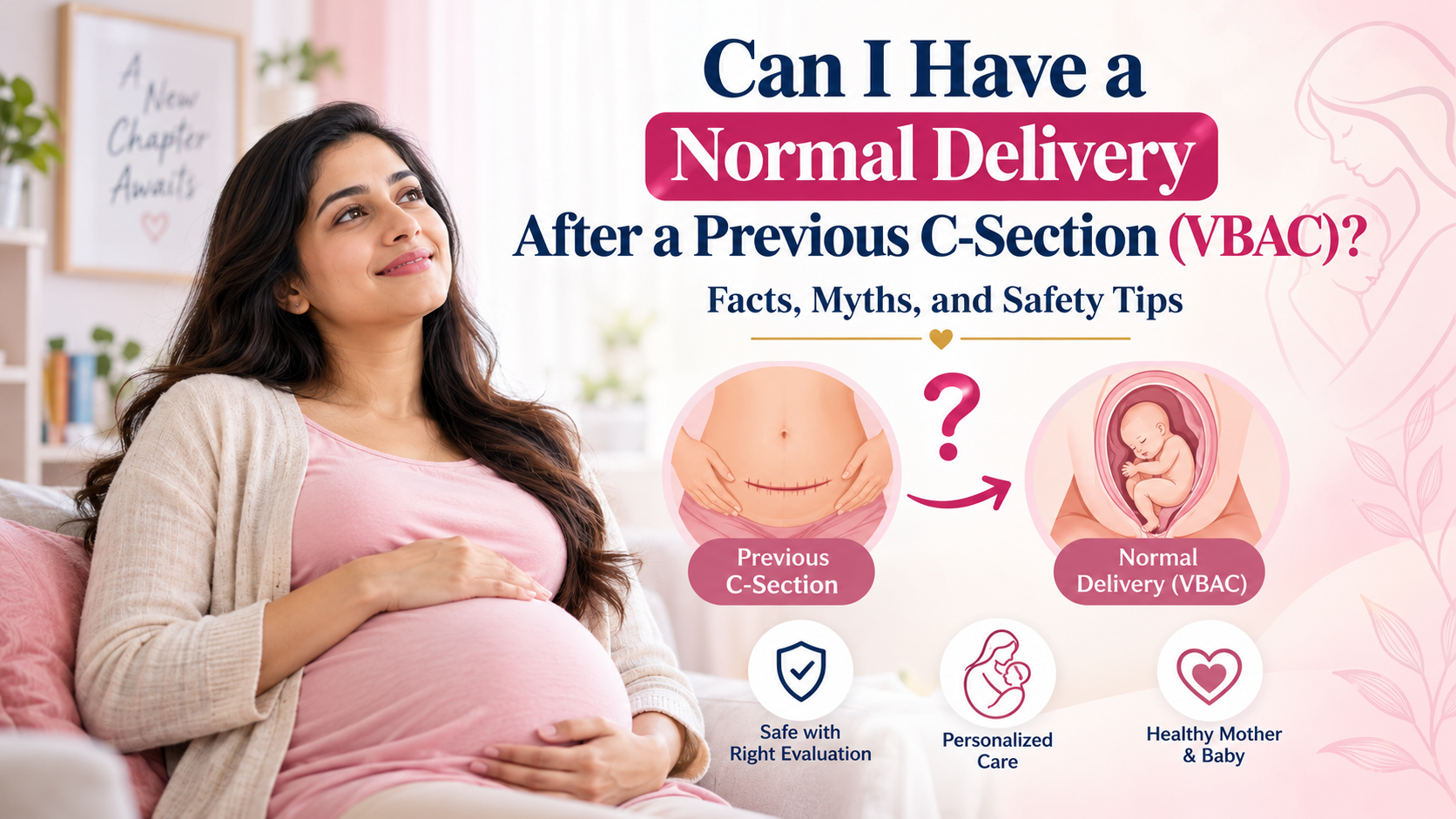
4. Does Having a High-Risk Pregnancy Mean I Must Have a C-Section?
No, a high-risk pregnancy does not automatically mandate a C-section delivery.
While C-sections are sometimes necessary for maternal or fetal safety—such as in cases of complete placenta previa, severe fetal distress, or transverse fetal position—many women with high-risk factors successfully deliver via normal vaginal birth.
At Matritva Hospital, delivery decisions are based on:
- Real-time continuous fetal heart monitoring (cardiotocography or CTG).
- Maternal health stability at term.
- Placental position and amniotic fluid index (AFI).
- Progress during labor.
Dr. Geetam Bharti’s clinical philosophy prioritizes normal vaginal delivery whenever safe, opting for surgical intervention only when medically indicated for the safety of mother and child.
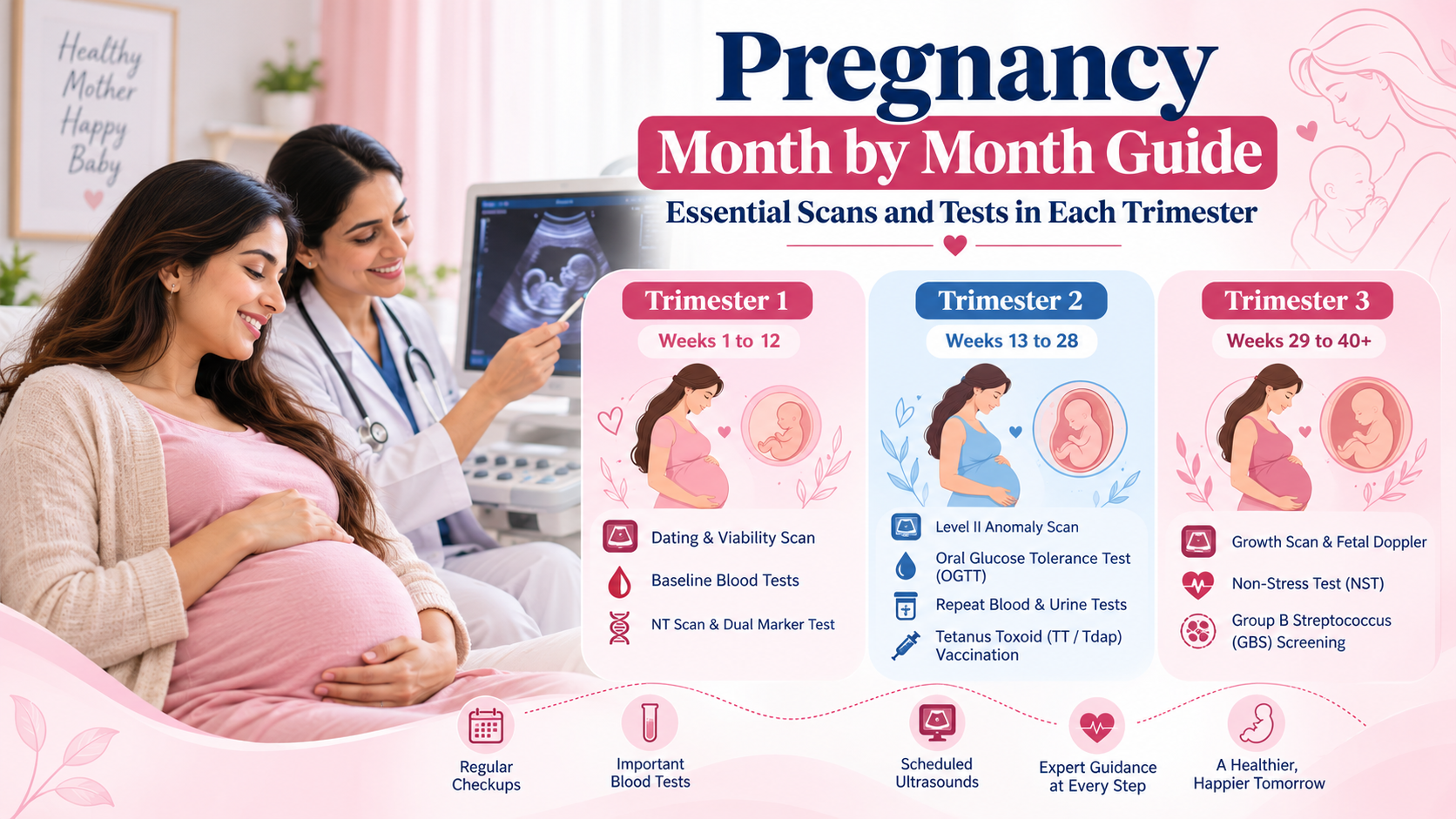
5. What Extra Tests and Monitoring Will I Need?
If your pregnancy is categorized as high-risk, your prenatal visit schedule will likely be more frequent than the standard monthly appointments. Specialized diagnostic tools help track baby development with high precision:
Targeted Anomaly Scans (Level II Ultrasound)
Detailed high-resolution imaging conducted between 18–22 weeks to evaluate fetal organ anatomy.
Fetal Doppler Studies
Specialized ultrasound evaluations measuring blood flow through the umbilical cord and brain arteries to verify baby nourishment.
Non-Stress Tests (NST)
Electronic monitoring that tracks the baby's heart rate responses to movement.
Biophysical Profile (BPP)
A combined assessment evaluating fetal heart rate, breathing movements, muscle tone, body movement, and amniotic fluid volume.
6. How Can I Reduce Risks During a High-Risk Pregnancy?
While some risk factors cannot be altered, taking proactive steps greatly improves outcomes:
7. Why Choose Dr. Geetam Bharti & Matritva Hospital in Patna?
Managing a high-risk pregnancy requires experience, clear communication, and tertiary-level clinical judgment. Dr. Geetam Bharti brings a stellar medical background, having trained at Lady Hardinge Medical College, New Delhi, and served as Ex-Senior Resident at IGIMS, Patna and Ex-Registrar at Kurji Holy Family Hospital.
At Matritva Hospital, located in Danapur and Bailey Road, Patna, patients benefit from:
- Comprehensive, evidence-based obstetric protocols.
- Ethical, transparent medical advice with zero unnecessary procedures.
- 24/7 clinical readiness for emergency obstetric management.
- Empathetic, individual patient care focused on mother and newborn safety.
Quick Reference
Frequently Asked Questions
Q: At what age is a pregnancy considered high-risk?
A: Maternal age over 35 (advanced maternal age) is considered a risk factor due to higher rates of gestational hypertension, diabetes, and chromosomal variations. However, with regular prenatal care, most women over 35 have healthy pregnancies.
Q: Can thyroid disorders affect my baby during pregnancy?
A: Unmanaged hypothyroidism or hyperthyroidism can impact birth weight or trigger early labor. Routine blood tests help adjust thyroxine dosages throughout pregnancy to keep levels optimal.
Q: How do I book an appointment for high-risk pregnancy care at Matritva Hospital?
A: You can visit our OPD facilities in Danapur (behind Buddha Cancer Hospital) or Gola Road, Patna, or call our clinic desk directly at +91-7557770808 or +91-7258914011.